Thinking about relocating to Falls Church? You want a small-city feel, strong transit, and everyday conveniences that make life easy. You also want to know where to live, how you’ll commute, and what to expect as you settle in. This guide gives you a clear neighborhood snapshot, your commute options, daily-life essentials, and a simple 90-day plan so you can move with confidence. Let’s dive in.
Neighborhood snapshots
Falls Church City core
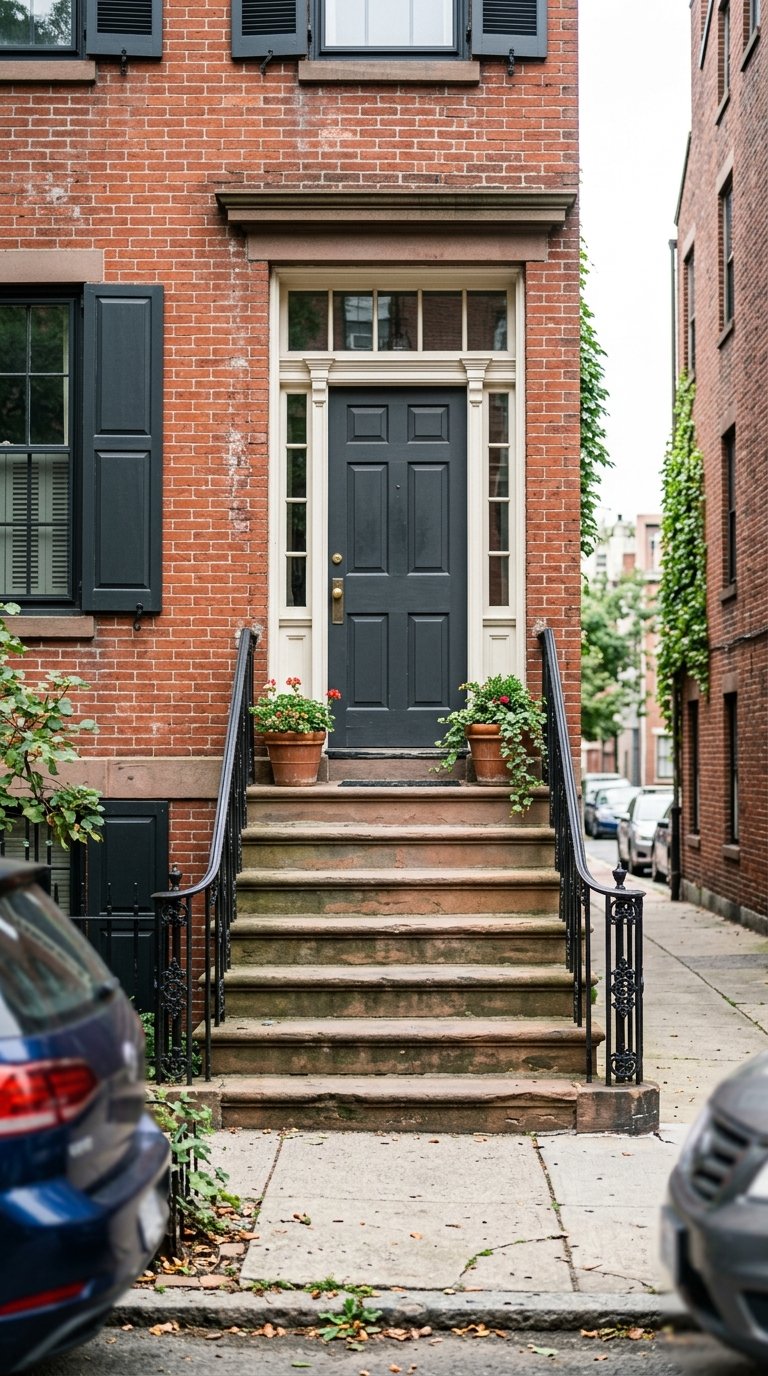
If you value walkability and a close-knit feel, the city center delivers. You’ll see a mix of older single-family homes on modest lots, townhomes along main corridors, and condos near the commercial core. Daily errands are simple thanks to local shops, restaurants, and services. Many residents choose a short bus or drive to nearby Metro stations for weekday commuting.
West and East Falls Church corridors
Neighborhoods near West Falls Church and East Falls Church Metro stations appeal if you want transit access without living in a high-density hub. Expect townhomes and condos close to main roads, with established single-family streets a few blocks away. These areas work well if you split your commute between Metro and I‑66.
Mosaic-adjacent areas
Just outside the city limits, neighborhoods near the Mosaic District in Fairfax County blend newer condos, townhomes, and mixed-use convenience. You can walk to dining, groceries, and entertainment, then hop on a bus or take a short drive to the nearest Metro. This location suits buyers who want a lively retail scene and quick access to I‑66.
Surrounding Fairfax County neighborhoods
Farther from the core, you’ll find larger lots and more single-family inventory. These areas are often more car oriented yet retain solid transit connections through express buses and straightforward routes to park-and-ride options. If you want more space and a quieter street, this can be a smart value play.
Getting around: Metro, I‑66, and buses
Metro rail access
Falls Church sits near several stations that connect you to Arlington and downtown D.C. Popular choices include East Falls Church, West Falls Church, and Dunn Loring. Trains and transfer patterns change, so check the current Metrorail map and schedules before you plan your commute. Many residents combine a short drive or bus ride with Metro to keep weekday travel consistent.
Typical Metro times into central D.C. often range from about 15 to 30 minutes from nearby stations, depending on your line and final stop. Service varies at peak and off-peak hours. If you plan to drive and park at stations, review WMATA parking and Park & Ride information and confirm lot rules.
I‑66 driving and express lanes
I‑66 is your main highway link toward Arlington and D.C. Travel times can shift a lot with rush hour traffic and tolling in managed lanes. Off-peak trips are faster and more predictable than rush hour. The Virginia Department of Transportation posts tolling and travel rules, so review VDOT’s current guidance if you plan to rely on I‑66 for a regular commute.
Metrobus and Fairfax Connector
Local and express bus routes link Falls Church neighborhoods to nearby Metro stations and job centers. The Fairfax Connector network supplements Metrobus in the corridor, including routes to Mosaic and station hubs. If you want to skip station parking, a bus-plus-Metro routine can be a time saver.
Bikes and on foot
Walkability varies by block. The city core and mixed-use corridors are easier on foot, while peripheral streets are more car dependent. If you plan to bike, check local maps and explore your route during the time you would normally commute. Tools like Walk Score can help you compare addresses for walk, bike, and transit access.
Daily life essentials
Schools and child services
School assignments depend on the exact property address. Homes inside the city typically feed Falls Church City Public Schools, a small district with strong reputations. Many nearby neighborhoods are served by Fairfax County Public Schools, which vary by boundary. Always confirm the latest maps and enrollment steps with Falls Church City Public Schools and Fairfax County Public Schools before you decide.
Shopping and dining
Downtown Falls Church covers daily needs with local shops, cafes, and groceries. Mosaic-adjacent areas offer larger stores, specialty markets, fitness studios, and entertainment. If you prefer to leave the car at home, choosing a neighborhood near a mixed-use center is a practical way to simplify errands.
Healthcare access
Northern Virginia provides multiple urgent care clinics and major hospitals within a short drive of Falls Church. When you shortlist homes, note drive times to your preferred providers and confirm insurance networks to avoid surprises after you move.
Parks and recreation
The city maintains parks and year-round recreation programs, with larger regional parks nearby in Fairfax County. If green space is a priority, explore the nearest trails and fields during your home tours. For upcoming programs and facilities, start with the City of Falls Church and the Fairfax County Park Authority.
Utilities, trash, and broadband
Utility providers differ between Falls Church City and Fairfax County. Before closing or lease signing, confirm electricity, water, sewer, trash, recycling, and broadband options for the exact address. Getting these lined up 2 to 4 weeks before moving day keeps setup smooth.
Parking and permits
Some denser blocks use residential permit programs. Confirm street parking rules with the city or county for your specific street, and review any HOA or condo policies that affect guests or moving-day trucks. If you plan to park at Metro stations, check lot hours, daily rates, and payment options through WMATA parking.
Your 90-day relocation plan
Use this simple timeline to stay organized.
8 to 12 weeks before move
- Prioritize your criteria, including commute time, housing type, budget, school needs, and walkability.
- Research neighborhoods and connect with a local agent experienced in Falls Church and nearby Fairfax County.
- Start mortgage pre-approval or financial planning. Narrow your property shortlist.
- If moving with children, confirm school boundaries and enrollment deadlines with FCCPS or FCPS.
- Inventory belongings and begin decluttering.
4 to 8 weeks before move
- Tour homes in person or virtually. Submit offers and align closing timelines.
- Book movers or rentals and get multiple quotes.
- Begin utility transfers and choose internet providers based on address.
- If renting now, give notice aligned with your new move date.
2 to 4 weeks before move
- Finalize moving-day logistics. Secure building or street permits if needed.
- Set up mail forwarding and update key accounts.
- Confirm school enrollment and gather required documents.
- Order essentials for the new home, such as window treatments or basic furniture.
Move week and after
- Change locks or schedule a locksmith.
- Walk the neighborhood to find grocery, pharmacy, and urgent care locations.
- Register vehicles if required and update your driver’s license.
- Meet neighbors and join local online groups for recommendations.
How Falls Church compares nearby
Arlington
Arlington offers dense, urban living with more continuous Metro coverage and very high walkability in many areas. You may trade space for transit convenience and proximity to D.C. Pricing often runs higher on a per-square-foot basis for similar commute benefits.
Tysons and nearby McLean
Tysons is a major job and retail hub with new high-rises, Silver Line stations, and strong highway access. Some pockets are more car oriented. You will find lots of new condos and apartments, plus a growing restaurant scene.
Alexandria
Alexandria blends historic character with transit access and an active waterfront district. Housing ranges from historic rowhomes to condos and townhomes. Commute patterns can favor Metro, bus, or even water taxi options into D.C., depending on your job location.
Falls Church value proposition
Falls Church delivers a small-city identity with a mix of walkable cores and nearby suburban options. You can reach multiple Metro stations with a short drive or bus, and I‑66 is close for car commutes. For many buyers, this balance of neighborhood feel and access is the sweet spot.
Shortlist your neighborhoods
Use this simple framework to narrow your search.
- Prioritize what matters most
- Commute mode and maximum time
- Housing type, bedroom count, and budget
- School district or program needs
- Walkability to daily needs
- Lot size, garden, and noise preferences
- Transit or highway access
- Map your must-haves
- Overlay Metro stations, I‑66 access points, school boundaries, grocery, and medical care.
- Identify areas that meet at least three of your top priorities.
- Choose 3 to 5 target areas
- Pick a primary, a backup, and a third option that trade commute, space, and walkability differently.
- Field test the fit
- Visit at different times of day to gauge traffic, parking, and pedestrian flow.
- If you commute by Metro, do a practice run and review WMATA service advisories.
- If you plan to drive I‑66, review VDOT’s site for tolling rules and peak patterns.
Make your move with a trusted partner
When you are relocating, details matter. You want address-specific guidance on commute trade-offs, school boundaries, and the renovation potential of each home. With architectural insight, in-house staging, and data-driven pricing, you get support that helps you buy confidently and plan for long-term value. If you are ready to explore Falls Church, connect with The Pearl Team to schedule your free home strategy.
FAQs
How long is the commute from Falls Church to downtown D.C.?
- Metro rides from nearby stations often take about 15 to 30 minutes to central D.C., while I‑66 driving times vary widely by rush hour and tolling; confirm with WMATA schedules and VDOT before you decide.
Which school districts serve Falls Church addresses?
- Homes inside the city are typically served by Falls Church City Public Schools, while many nearby neighborhoods are in Fairfax County Public Schools, so verify the exact boundary for each property.
Is Falls Church walkable for daily errands?
- Walkability varies by block, with strong options in the city core and Mosaic-adjacent areas, and more car-oriented streets farther out, so compare addresses using tools like Walk Score and an in-person visit.
What are my options if I do not want to park at Metro?
- Combine a bus and train commute using Metrobus and the Fairfax Connector, and check WMATA parking if you occasionally need a Park & Ride.
Do I need a residential parking permit in Falls Church?
- Some denser blocks use residential permit programs and HOAs or condos may have rules, so confirm street regulations with the City of Falls Church and any community association before moving day.