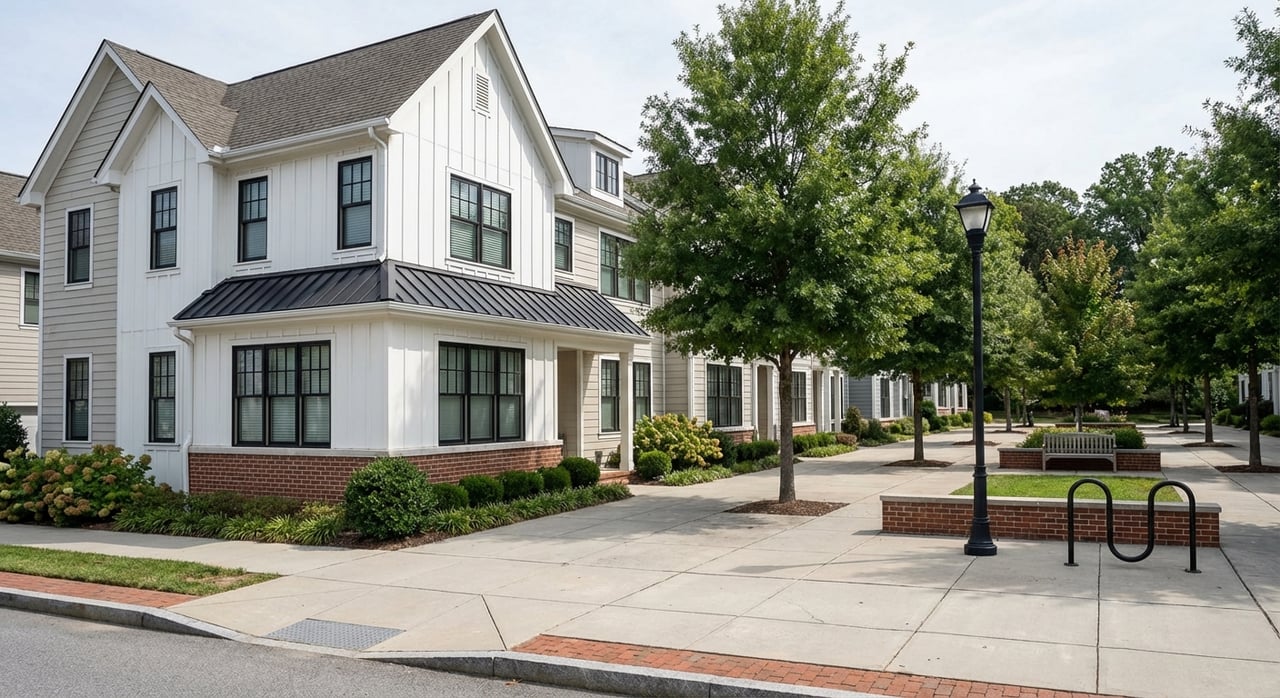
What if your morning started with a two-block stroll to coffee, a quick grocery pickup on your way home, and a straightforward Metro ride into D.C.? If you’re weighing a move to Arlington, you might be asking what walkable living really looks like day to day. You want the errands, parks, and transit to be close, and you want to know which neighborhoods truly deliver. This guide breaks down how walkability works in Arlington, what daily life feels like in its most pedestrian-friendly corridors, and what to consider as a buyer or seller. Let’s dive in.
What walkable means in Arlington
Walkability in Arlington centers on two mixed-use corridors: the Rosslyn–Ballston stretch and the National Landing area around Pentagon City and Crystal City. These hubs pack retail, dining, groceries, parks, and Metro access into compact, connected blocks. Arlington Magazine’s overview of walkable neighborhoods captures how these nodes function for daily life.
A quick benchmark many buyers use is Walk Score. Ballston–Virginia Square and Clarendon–Courthouse post Walk Scores around 92, which qualifies as a “Walker’s Paradise” where most errands can be completed on foot. You can check neighborhood pages for details, like Ballston–Virginia Square and Clarendon–Courthouse. Remember, Walk Score measures proximity to amenities, not the quality of sidewalks or crossings.
Transit is the backbone of Arlington’s walkable lifestyle. The Orange and Silver Lines run through Ballston, Virginia Square, Clarendon, Courthouse, and into Rosslyn and D.C. The Blue and Yellow Lines connect Pentagon City and Crystal City to downtown and Reagan National Airport. WMATA’s station pages, such as Ballston–MU and Pentagon City, outline connections and service updates.
Clarendon & Courthouse: Walk-to-everything energy
Clarendon and Courthouse offer a dense, vibrant core with bakeries, cafes, restaurants, and packaged groceries all within a compact grid. The Crossing Clarendon hosts retailers and everyday staples, including well-known grocers, so a midweek run is as easy as a short walk. You can learn more about the retail district in The Crossing Clarendon profile.
A typical day here might start with coffee, a quick errand at The Crossing, then a short walk to the Metro for a direct ride into the city. Evenings bring plenty of dining and late-night options, including spots like Ambar Clarendon. If you enjoy a lively street scene, this corridor delivers.
Transit access is a headline benefit. Clarendon and Court House stations sit on the Orange and Silver Lines, which connect quickly to Rosslyn and downtown. Many condo and apartment buildings sit within a 5 to 12 minute walk of these stations, which makes car-light commuting realistic. For background on station specifics, see Court House station.
Parks and small green pockets dot the area, offering places for quick breaks, dog walks, and seasonal county programming. You’ll find small urban parks within a few blocks of the main retail streets. Housing is a mix of mid-rise condos and apartments near the strip, plus pockets of rowhouses and single-family homes a few blocks out.
Ballston & Virginia Square: Active and connected
Ballston brings one of Arlington’s highest concentrations of shops, services, and transit, anchored by Ballston Quarter and a steady calendar of local events. It blends active retail streets with quieter residential blocks, so you can adjust the pace to fit your day.
A walkable routine here is easy to imagine. Start with a run on the nearby trail network, grab groceries at a local market, and settle into a cafe for a few hours. After school or work, Quincy Park is a natural stop for pickup games or playground time, and Ballston Quarter offers dinner options without a long trek. Arlington County programs seasonal events at Quincy Park; browse examples on the county’s Quincy Park events page.
Transit is a strength. Ballston–MU station sits on the Orange and Silver Lines and serves as a hub for local buses as well, which broadens your car-free range. Check the Ballston–MU station page for service notices if you plan weekend trips.
Housing options include mid- to high-rise condo and apartment buildings near the core, with townhome and rowhouse clusters around the edges. The variety supports a wide range of price points and floorplans, and buyers often balance square footage with proximity to transit and parks.
Pentagon City & National Landing: Urban convenience
South Arlington’s most urban district, often referred to as National Landing, has seen significant investment in offices, housing, retail, and public spaces. It includes Pentagon City, Crystal City, and Potomac Yard. The focus is on building a dense, walkable environment with frequent events and new amenities. The National Landing BID details the area’s growth in its neighborhood and innovation profile.
Transit links are immediate. Pentagon City station on the Blue and Yellow Lines connects directly to the Fashion Centre and the retail core, so errands can be part of your commute. For station access and connections, see WMATA’s Pentagon City page.
Green space is expanding alongside new development. Virginia Highlands Park is a long-standing neighborhood hub for recreation, with ongoing county investments described on the Virginia Highlands Park project page. Metropolitan Park has emerged as a popular plaza and event space, supported by BID programming that often includes markets, music, and fitness; preview the vibe in the BID’s events roundup.
Housing here typically skews toward larger apartment towers and newer condos, reflecting an urban, high-amenity lifestyle. A day in this district might include a morning walk through Virginia Highlands Park, lunch at a food hall, a short Metro ride to the airport or the Mall, then an evening concert or market at Metropolitan Park.
Key amenities that support car-light life
- Transit first. Living within a short walk of the Orange/Silver or Blue/Yellow lines can replace many daily car trips. Station pages, like Ballston–MU, help you plan routes and check service updates.
- One-trip errands. Anchors like The Crossing Clarendon, Ballston Quarter, and the Pentagon City retail core put groceries, pharmacies, and services close by. Learn more about the retail mix at The Crossing Clarendon.
- Parks on repeat. Arlington County programs seasonal events and pop-ups at neighborhood parks. Quincy Park, pocket parks near Clarendon, and Virginia Highlands Park offer routine green space within a short walk, and the county lists activities on its Parks & Events pages.
Schools and boundary checks
Arlington Public Schools serves the entire county, and school boundaries change over time. If proximity to specific schools factors into your search, always verify the current assignment for a given address. You can start with APS’s boundary resources on the APS boundary process page. Boundaries shift, so confirm details before you rely on past information or third-party maps.
Buyer and seller considerations
Walkable neighborhoods often come with tradeoffs that are worth weighing. You may trade private parking or yard space for convenience and amenity access. Condos can include HOA fees, and popular nightlife streets come with more evening activity. If you plan to own a car, ask about garage options and visitor parking.
For sellers, location near transit, shopping, and parks can be a key marketing point. Pricing still needs to reflect current market conditions and comparable sales, and presentation remains essential in competitive urban corridors. Thoughtful staging, clear listing narratives, and strong visuals help showcase how a home supports a walkable lifestyle.
Arlington is also evolving. The County adopted a sector plan for Pentagon City that guides new parks, pedestrian connections, and development standards, which can influence long-term desirability and resale stories. Review the plan overview in the County’s sector plan announcement and keep an eye on BID programming as new spaces come online.
Transit reliability matters too. WMATA’s service patterns can shift for maintenance, especially on weekends, so check station pages like Ballston–MU before planning time-sensitive trips.
Can you go car-free here?
Short answer: yes, in the most walkable nodes. Ballston, Clarendon–Courthouse, and parts of National Landing make a car-light lifestyle very realistic, especially if your commute or daily routine aligns with Metro corridors. As always, consider how you host visitors, whether you need a car occasionally, and what parking options fit your plans. Neighborhood Walk Scores, like Ballston–Virginia Square’s page, can help you compare blocks quickly.
Ready to find your fit?
If walkable living is on your wish list, the good news is that Arlington offers clear choices with distinct vibes. Clarendon and Courthouse bring energetic, restaurant-rich blocks. Ballston and Virginia Square add parks and a strong transit hub. Pentagon City and National Landing deliver urban convenience with growing public spaces.
Whether you’re buying your first condo near Metro or selling a townhome steps from parks, you deserve a plan that aligns with your lifestyle goals. The Pearl Team pairs architecture-informed advising, in-house staging, and data-driven pricing so you can move confidently. When you are ready, connect with The Pearl Team to schedule your free home strategy.
FAQs
What are Arlington’s most walkable neighborhoods?
- Ballston–Virginia Square and Clarendon–Courthouse rank high on Walk Score, and parts of National Landing are widely described as very walkable; check neighborhood pages like Clarendon–Courthouse and Ballston–Virginia Square.
How does Metro support a car-light lifestyle in Arlington?
- The Orange/Silver Lines serve Ballston through Rosslyn and into D.C., while the Blue/Yellow Lines connect Pentagon City and Crystal City to downtown and the airport; see station details at Ballston–MU and Pentagon City.
Which parks are near walkable hubs in Arlington?
- Examples include Quincy Park near Ballston, pocket parks around Clarendon and Courthouse, and Virginia Highlands Park near Pentagon City; county programming is highlighted on the Quincy Park events page.
How should buyers think about school boundaries in Arlington?
- Confirm any school assignment directly with APS, since boundaries change; use APS resources starting with the APS boundary process page, and verify address-specific information.
What future planning could affect value in Pentagon City/National Landing?
- The County’s Pentagon City Sector Plan and BID programming aim to expand parks, pedestrian links, and amenities over time; see the County’s sector plan announcement and BID events overview.