Do HOA fees feel like a mystery when you look at Ashburn listings? You are not alone. In Loudoun County’s master-planned communities, dues can cover everything from snow removal to full amenity centers, but it varies by neighborhood. This guide breaks down what Ashburn HOA fees typically include, what they do not, and what to review before you buy or sell. Let’s dive in.
How HOAs work in Ashburn
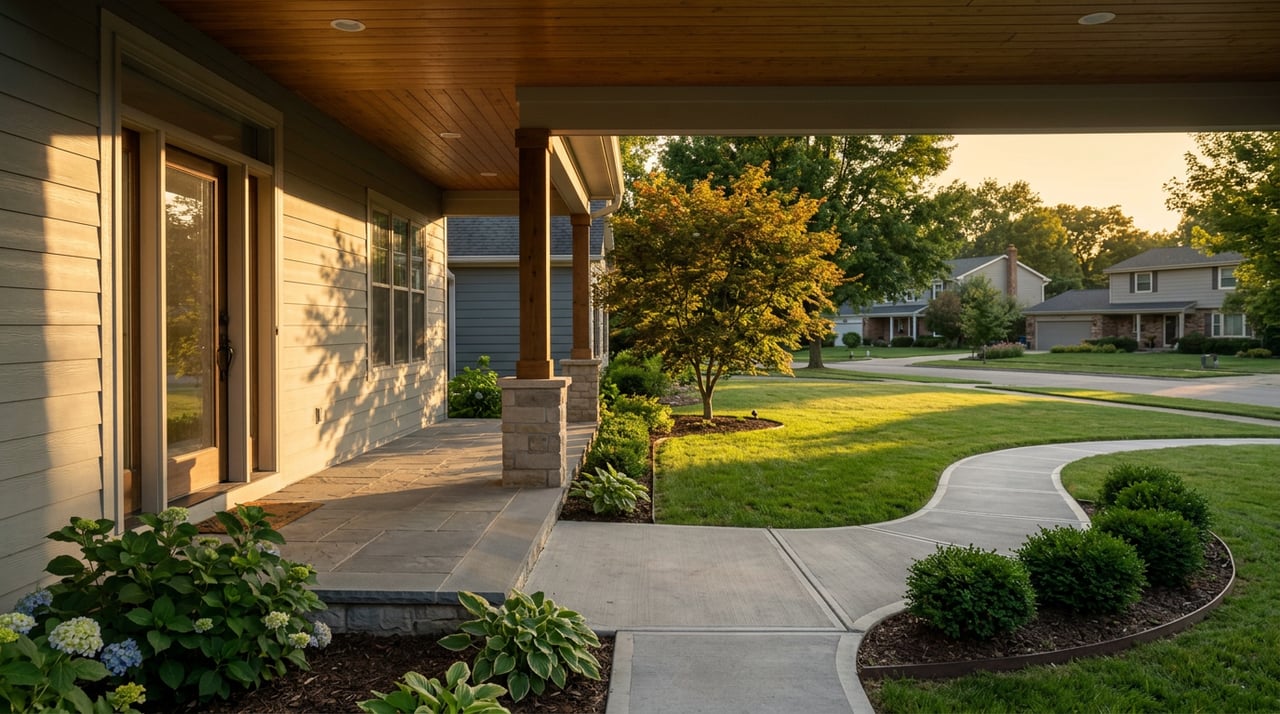
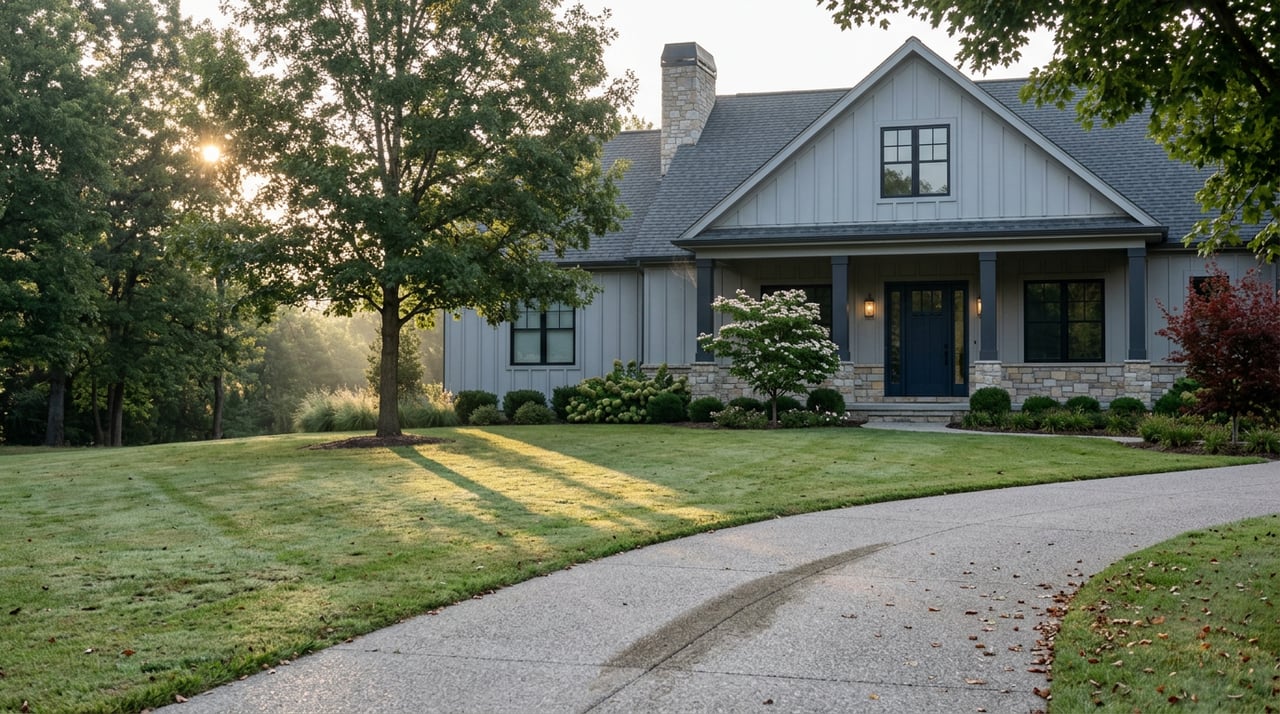
Ashburn has a high concentration of planned communities with active associations. Examples include Ashburn Village, Broadlands, Belmont, Brambleton, and One Loudoun. Some are single-association neighborhoods with modest dues, while others have resort-style amenities and higher fees.
You may also encounter a dual-dues structure. A master association manages big-picture amenities and infrastructure, while a sub-association covers a specific condo or townhome enclave. The exact rules and costs are in the community’s recorded covenants and bylaws, so always review those documents.
What Ashburn HOA fees usually cover
Common-area operations and maintenance
- Landscaping for entrances, medians, and shared green space
- Upkeep of sidewalks, paths, signage, and lighting in common areas
- Snow removal on private roads and shared walkways where the HOA is responsible
- Neighborhood trash and recycling if the association has a bulk contract
Amenities and their operations
- Pools and splash areas, including seasonal opening, lifeguards, and maintenance
- Clubhouses, fitness centers, playgrounds, dog parks, and sport courts
- Walking trails and pocket parks, plus day-to-day staffing if applicable
Shared building and exterior upkeep
- Condominium exteriors and common elements such as roofs, siding, hallways, elevators
- Repairs to community fencing, entry monuments, and picnic shelters
Management, administration, and services
- Fees for a professional management company
- Legal and accounting services, including audits and collections
- Administrative costs like software, mailings, meetings, and insurance administration
Insurance and risk management
- Master property insurance for common areas and, for condos, building structure and common elements
- Liability coverage for shared spaces such as pools and clubhouses
- Directors and officers (D&O) policy premiums where applicable
Reserve funding and capital planning
- Regular contributions to the reserve fund for major repairs and replacements
- Periodic reserve studies that set recommended funding levels and timelines
Taxes, utilities, and special services
- Property taxes on association-owned parcels when applicable
- Utilities for common areas: electricity for lights, water for irrigation and pools, and gas if needed
- Security or private patrols in select communities
Fees and fines administered by the HOA
- Transfer or administrative fees at resale
- Late fees and violation fines based on the adopted policy
What HOA fees usually do not cover
Understanding exclusions helps you budget and avoid surprises. In Ashburn, you can expect that HOA dues typically do not include:
- Interior maintenance of your home or unit, including appliances and interior finishes
- Individual utilities like electric and water unless your community uses bulk metering
- Your personal property and contents insurance
- Yard care for your private lot, unless your community’s rules say otherwise
- Your mortgage, property taxes, or homeowner’s personal insurance policy
- Cosmetic upgrades such as kitchen or flooring updates
- Special assessments for major projects that exceed reserves
- Fines or legal costs tied to individual rule violations
Condos vs. townhomes vs. single-family
Coverage depends on the ownership structure. In many condominium regimes, the master policy covers the building exterior and common systems, while you insure and maintain the interior of your unit. Townhome and single-family communities usually have HOA insurance for shared areas only, so you insure your entire structure.
Every community is different. The insurance summary in the resale packet explains what the master policy includes and what owners must carry.
Dual-dues communities and master associations
In several Ashburn neighborhoods, you may pay dues to both a master association and a sub-association. The master may handle big amenities, private roads, or stormwater facilities. The sub-association may fund exterior upkeep for a townhome row or a condo building.
Before you make an offer or list your home, confirm both fee amounts, what each covers, and any planned increases.
Fee increases, reserves, and special assessments
Boards can raise dues according to limits in the governing documents. Healthy reserve funding reduces the risk of a special assessment for major repairs like roof replacements or roadway resurfacing. A recent reserve study and a clear contribution plan are positive signs.
Review the budget, reserve balance, and the last few years of meeting minutes to see if large projects are coming. Ask whether there have been special assessments in the last five years and why.
Buyers: how to review HOA health
Request the full resale packet early so you have time to evaluate the association’s financial and operational health. Priority documents and items include:
- Declaration/CC&Rs, bylaws, and the rules and regulations
- Current operating budget and year-to-date financials
- Most recent reserve study and current reserve balance
- Insurance summary describing master policy coverage
- Annual meeting minutes and recent board minutes
- Current dues schedule, transfer and resale certificate fees
- History of special assessments and upcoming capital projects
- Delinquency rate for owner assessments
- Any pending litigation and the management agreement if applicable
Key questions to ask:
- What do monthly dues cover, line by line?
- Any major projects planned in the next 1 to 5 years?
- What is the reserve funded percentage recommended by the last study?
- Any special assessments in the past 5 years, and how much?
- Are water, sewer, or trash included, or billed to owners?
- What is the current delinquency rate?
- Any rental restrictions or short-term rental rules?
- How are fines enforced and appeals handled?
Sellers: set up a smooth resale
Gather your HOA paperwork before listing so buyers can review quickly. You should:
- Order the resale packet promptly and budget for the preparation fee
- Confirm your account is current and note any upcoming dues increases
- Disclose known issues such as pending assessments or litigation
- Provide clarity on what dues cover to reduce buyer questions and delays
A complete and transparent file helps protect your timeline and your contract.
Lending and tax considerations
Lenders include HOA dues in your debt-to-income ratio, which affects what you can borrow. Condominium loans often require additional review of project reserves, insurance, and delinquency rates. High dues or the potential for a near-term special assessment can impact approval.
For most primary residences, monthly HOA dues are not tax-deductible. If you plan to rent the property, speak with a tax advisor about what may be deductible for your situation.
Public vs. HOA responsibilities in Loudoun
Not all roads and infrastructure are public. In many Ashburn communities, private streets, stormwater ponds, and landscape elements are owned and maintained by the association. The county typically maintains public roads, including plowing, while HOAs handle private ones.
Review county records and your community plat to confirm what the association maintains and what the county covers.
Red flags and green lights
Watch for these warning signs:
- Little or no reserve balance and no recent reserve study
- Frequent or recent special assessments
- High delinquency rate among owners
- Ongoing litigation or a lack of transparency in documents
- Sudden, unexplained dues increases
Positive indicators include:
- Up-to-date reserve study and healthy reserves
- Clear budgets and timely meeting minutes
- Stable dues with clear cost drivers
- Professional management and consistent communication
Work with a local guide
Every Ashburn HOA operates a little differently, and the details matter for your budget, resale value, and peace of mind. If you want help reading the fine print, comparing neighborhoods, or preparing your home to shine in a dues-driven community, we are here to help. Connect with The Pearl Team to review documents, plan smart improvements, and move forward with confidence.
FAQs
What do Ashburn HOA fees usually include?
- Common-area landscaping and lighting, amenity operations like pools and clubhouses, management and insurance for shared spaces, reserve funding, and some utilities for common areas.
Do Ashburn HOAs cover trash and snow removal?
- Often, yes for trash via a neighborhood contract and for snow on private roads and shared walkways; coverage varies by community so confirm in the resale packet.
What is not covered by HOA dues in Ashburn?
- Interior repairs, personal utilities and insurance, private yard care in most cases, mortgage and property taxes, and any special assessments or fines.
Why do some Ashburn homes have two HOA fees?
- Master-planned neighborhoods can have a master association plus a sub-association; each funds different responsibilities and amenities.
How do special assessments work in Virginia HOAs?
- Associations can levy special assessments for major projects or shortfalls according to the governing documents; review minutes, budgets, and reserve studies for risk.
What should buyers request from the HOA before closing?
- The full resale packet: CC&Rs, bylaws, rules, budget, financials, reserve study, insurance summary, meeting minutes, dues schedule, assessment history, delinquency rate, and any litigation.
How do HOA dues affect my mortgage approval?
- Lenders include monthly dues in your debt-to-income ratio; higher dues or weak reserves in a condo project can influence underwriting and approval.