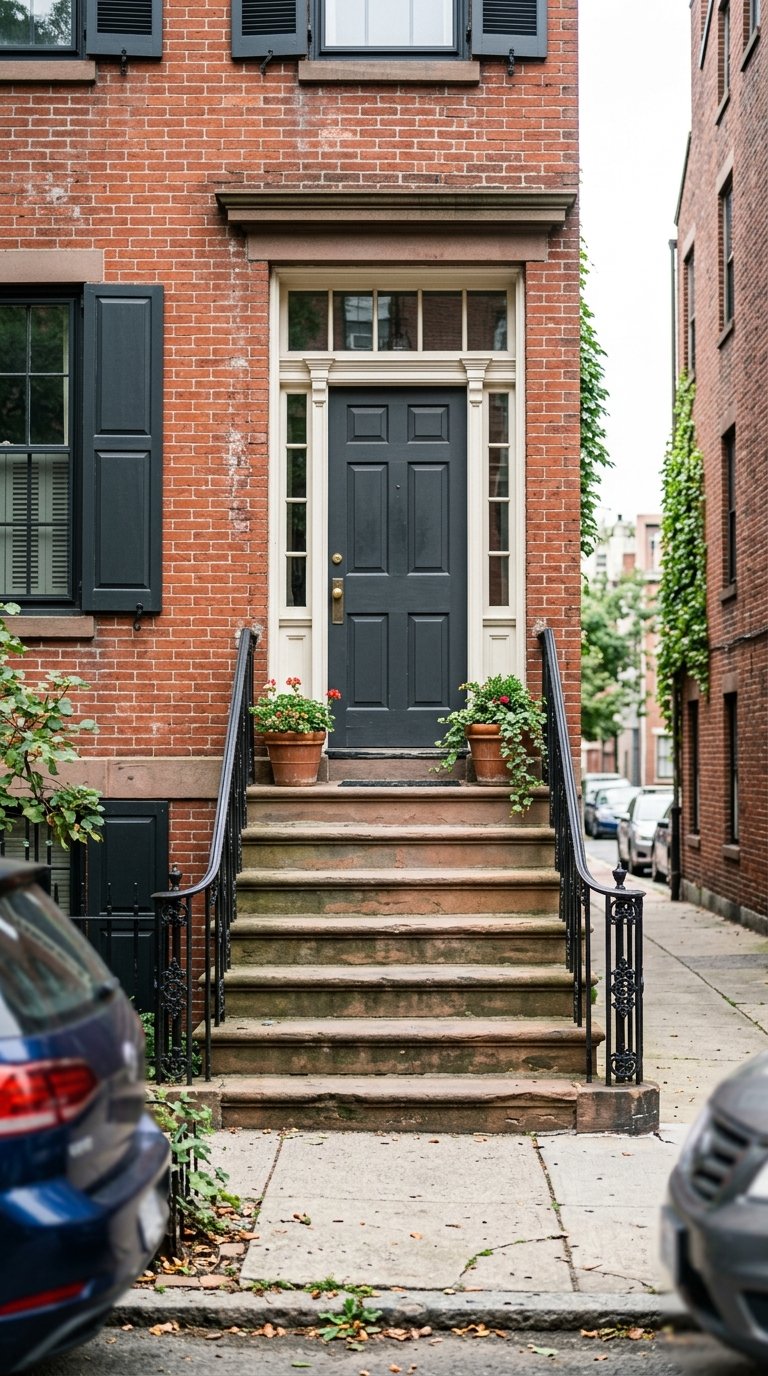
Ever wondered whether living in an Old Town Alexandria rowhouse feels charming every single day, or whether the reality is a little more complicated? If you are drawn to historic architecture, walkable blocks, and the idea of stepping out your front door into one of Northern Virginia’s most recognizable urban neighborhoods, it helps to know what daily life actually looks like. Here’s a practical look at what you can expect from rowhouse living in Old Town, from space and parking to upkeep and lifestyle. Let’s dive in.
Old Town rowhouse living at a glance
Old Town Alexandria is the city’s historic urban core, and much of its housing and street pattern dates back to the eighteenth century. The Old & Historic District was established in 1946, making it one of the oldest local historic districts in the country.
That history shapes the way the neighborhood feels today. Old Town is not laid out like a suburban neighborhood with large lots and wide setbacks. It is denser, more walkable, and more connected to shops, restaurants, transit, and the waterfront.
For many buyers, that is exactly the appeal. You are choosing a lifestyle where location, character, and convenience often matter more than square footage, yard size, or easy driveway parking.
What the neighborhood feels like
Historic and closely knit
Old Town’s original street grid was built around narrow urban lots. The city notes that the townhouse became the most common housing form during the eighteenth and nineteenth centuries because it fit the economics of those narrower lots.
That means rowhouse living here tends to feel compact and vertical. Homes often sit close to the street and close to neighboring houses, which creates the intimate, block-by-block feel many people love about Old Town.
Walkable in daily life
This is one of the biggest lifestyle perks. Old Town has a Walk Score of 84, a Transit Score of 52, and a Bike Score of 81, which supports the idea that many errands and outings can happen without getting in the car.
King Street remains a thriving commercial corridor, and that shapes the everyday rhythm of the neighborhood. Instead of planning every trip around parking lots and long drives, you may find yourself walking to coffee, dinner, the waterfront, or weekend errands.
A neighborhood with real weekly routines
Old Town is not just attractive on paper. It has the kind of repeated local routines that make a place feel lived in.
One example is the Old Town Farmers’ Market, which takes place every Saturday morning year-round. The city describes it as the oldest farmers’ market in the country held continuously at the same site, and it is a real part of the neighborhood’s weekly rhythm.
The waterfront and Mount Vernon Trail also add to everyday life. Old Town gives you access to places where you can walk, bike, or simply spend time outside without needing to leave the neighborhood.
What the homes are really like
Expect a vertical layout
If you are moving from a detached house, the floor plan may be the biggest adjustment. Old Town has a high concentration of townhouses and townhouse-like buildings, and city zoning materials specifically point to the area’s smaller lots and urban design pattern.
The city even uses a 20-foot-wide Prince Street lot as an example, which tells you a lot about how compact some parcels can be. In real life, that often means more stairs, narrower room dimensions, and less unused space.
Space is used carefully
Old Town rowhouses often trade expansive layouts for location and architectural character. Instead of broad footprints and oversized storage areas, you may find homes that require a little more creativity with closets, furniture placement, and daily organization.
That does not mean the homes feel lacking. It means the space tends to be intentional, and buyers who appreciate efficient layouts and historic details often see that as part of the charm.
Outdoor space is usually modest
If your dream home includes a large lawn, this may be a major shift. Old Town’s narrow-lot townhouse pattern usually translates to smaller outdoor areas, such as a rear patio, courtyard, or compact garden.
For some buyers, that is a benefit rather than a drawback. You may have less exterior upkeep than you would with a larger yard, while still getting some private outdoor space.
The tradeoff behind the charm
You get character and location
Old Town rowhouses stand out because of their architectural character and their place within a historic streetscape. The homes, blocks, and facades often feel cohesive in a way that newer neighborhoods do not.
That setting is hard to replicate. If you value being in a place with a strong sense of history and an active street life, Old Town delivers a very specific kind of appeal.
You give up some suburban convenience
The tradeoff is that daily life is more shared. You are likely to have closer neighbors, more foot traffic, and less separation between your front door and the street, especially on blocks near King Street or the waterfront.
For some people, that energy feels exciting and connected. For others, it can feel busier than expected, especially if they are used to quieter detached-home neighborhoods.
Renovating an Old Town rowhouse
Interior flexibility is usually greater
Many Old Town rowhouses fall within the locally regulated Old & Historic Alexandria District. If they do, a Certificate of Appropriateness is required for new construction and exterior alterations that are visible from a public right of way.
Interior work does not require Board of Architectural Review approval. That is an important distinction, because it means many owners have more flexibility inside the home than outside.
Exterior changes require more planning
Owning a historic rowhouse often means exterior projects need more thought, more lead time, and more design sensitivity. The review process is structured, with the Board of Architectural Review meeting on the first and third Wednesday of each month except August.
Applications must be complete at least 30 days before the hearing date. Some projects can be approved administratively in less than five business days, but major visible changes usually require more planning.
Historic consistency is part of ownership
Old Town’s design guidelines emphasize compatibility with historic massing and scale, along with traditional materials and historically appropriate elements like windows, doors, roofing, stoops, fences, and parking access.
That helps explain why the district feels so visually consistent. It also means projects that might seem simple elsewhere, like replacing windows or changing a fence, can be more involved here.
Parking and commuting realities
Parking takes planning
Parking is one of the clearest day-to-day tradeoffs in Old Town. On-street parking may be metered or time-limited depending on the block, meter feeding is prohibited, and some residential pay-by-phone blocks charge $3.00 per hour for vehicles without a district parking permit or guest permit.
The city also notes that parking limits are strictly enforced. In other words, parking is part of the lifestyle equation, not something to treat casually.
Permit systems exist for a reason
Residential permit parking districts were created in 1979 in response to increased demand in Old Town and near Metro stations. That history says a lot about how long parking has been a real factor here.
If your household has multiple cars, frequent visitors, or a strong preference for immediate front-of-home parking, this is worth thinking through carefully before you buy.
The neighborhood supports low-car living
The upside is that Old Town is built to work well without depending on a car for every trip. The city encourages biking, walking, Metrorail, and the free King Street Trolley.
The trolley runs every 15 minutes between King Street-Old Town Station and City Hall/Market Square. King Street-Old Town Station is also the city’s largest transit hub, with Metro, DASH, bikeshare, parking, carshare, and other options clustered together.
Noise, privacy, and everyday energy
Some blocks are more active than others
Old Town is lively by design. Ongoing city projects have strengthened the pedestrian character of the area, including the King Street-Strand Street pedestrian area and a car-free pilot on the 200 block of King Street.
That activity adds to the neighborhood’s appeal, but it also means some homes will feel busier than others. Properties closer to King Street, Market Square, the waterfront, or event areas will generally experience more foot traffic and street activity than quieter side streets.
Privacy can feel different here
Rowhouse living usually comes with less buffer between you and your surroundings. That may mean hearing more neighborhood activity, seeing more people pass by, and feeling more connected to street life than you would in a detached home setting.
For buyers who want a more urban experience, that can be a plus. For buyers who prioritize maximum quiet and separation, it may take some adjustment.
Who tends to love Old Town rowhouses
The people who are happiest here are usually the ones who know exactly what they are choosing. They tend to value walkability, architecture, and the feel of a historic neighborhood enough to accept smaller outdoor spaces, tighter storage, and more parking strategy.
If that sounds like you, Old Town rowhouse living can feel special in a way few places do. If you want large yards, abundant off-street parking, and broad freedom to change the exterior, you may need to compromise more here.
Buying in a place like Old Town is often less about finding a perfect checklist home and more about choosing the lifestyle that fits you best. If you want help evaluating whether a specific rowhouse matches your space needs, renovation plans, and day-to-day routine, The Pearl Team is here to help.
FAQs
What is daily life like in an Old Town Alexandria rowhouse?
- Daily life in an Old Town rowhouse is usually walkable, space-conscious, and connected to a lively historic neighborhood with shops, the waterfront, transit, and regular pedestrian activity nearby.
Do Old Town Alexandria rowhouses usually have big yards?
- Most Old Town rowhouses are on narrow urban lots, so outdoor space is often limited to a small patio, courtyard, or modest garden rather than a large lawn.
Can you renovate the exterior of an Old Town Alexandria rowhouse?
- If the home is in the local historic district, exterior work visible from a public right of way usually requires a Certificate of Appropriateness and review through the city’s preservation process.
Is parking hard in Old Town Alexandria?
- Parking can be one of the main challenges, since many blocks rely on metered, time-limited, permit-based, or paid on-street parking and enforcement is strict.
Is Old Town Alexandria rowhouse living noisy?
- It can be, especially on blocks near King Street, Market Square, the waterfront, or event areas, while side streets may feel quieter depending on location.
Is it possible to live in Old Town Alexandria with fewer cars?
- Yes, many people find Old Town workable with one car or even no car because of its walkability, transit access, bike infrastructure, and the free King Street Trolley.