If you price your Arlington home too high, you may lose the strongest buyer interest before it ever turns into an offer. If you price too low, you risk leaving money on the table. The good news is that smart pricing is not guesswork. It is a strategy built on local comps, market timing, property type, and presentation. Let’s dive in.
Why pricing matters so much in Arlington
Arlington is still an active market, but that does not mean every home can command any price. In March and April 2026, Realtor.com reported 691 homes for sale in Arlington, a median listing price of $745,000, a median sold price of $725,000, and a 100% sale-to-list ratio. Redfin also showed an active market, with a median sale price of $821,526 over the three months ending April 2026, about three offers on average, and a 30-day median days on market.
Those numbers point to real buyer demand, but they also show why precision matters. Northern Virginia Association of Realtors data for April 2026 showed 1.83 months of inventory across the region, with an 18-day average time on market and a regional median sold price of $815,000. NVAR’s 2026 forecast also expects moderate price growth and mortgage rates around 6%, which supports a disciplined pricing approach instead of an aspirational one.
Start with hyper-local comps
The biggest pricing mistake many sellers make is leaning too heavily on countywide averages. Arlington is not one uniform market. Value, buyer behavior, and listing pace can change dramatically from one area to another, and sometimes even within the same ZIP code.
For example, Realtor.com shows 22201 with a median listing price of $850,000, 26 median days on market, and a 100% sale-to-list ratio. In 22207, the median listing price rises to $1.55 million, median days on market drops to 21, and the sale-to-list ratio reaches 105%. In 22204, the market looks more mixed, with a median listing price of $529,000, a median sold price of $360,000, and 26 days on market.
Even those ZIP-level numbers can be too broad. Neighborhood medians within the same ZIP can vary widely, which is why your pricing strategy should be built from recent sold homes that match your property type, condition, and immediate neighborhood context. A detached home in one pocket of Arlington should not be priced using condo-heavy data from a broader area.
What makes a strong comp set
A useful comp set should be as close to your home as possible in the areas that matter most:
- Same property type, such as detached, townhome, or condo
- Similar size, layout, and lot characteristics
- Comparable condition and level of updates
- Recent closed sales, ideally in the most relevant local area
- Similar buyer appeal based on presentation and functionality
This is where local expertise matters. A smart pricing plan looks beyond square footage and takes into account how buyers are likely to compare your home to other available options.
Price by property type, not just by location
Arlington sellers should also pay close attention to how their property segment is performing. Detached homes, townhomes, and condos are not moving under the same conditions right now. A pricing strategy that works for one category may be too aggressive for another.
NVAR’s 2026 forecast projects Arlington single-family prices up 3.8%, townhome prices up 1.9%, and condo prices up 2.1%. Inventory is also expected to rise across all three categories, with single-family inventory up 27.8%, townhome inventory up 20.8%, and condo sales showing only modest growth. That means pricing discipline matters in every segment, but especially where buyers have more choices.
Bright MLS data for Arlington County in February 2026 reinforces this point. Detached homes averaged a sold price of $1,541,437, while attached homes averaged $575,488, and attached units made up 95 of 142 sales. The same report showed an average sale-to-original-list ratio of 98.9% and 35 average days on market, a reminder that even in a healthy market, buyers are still negotiating.
Condos may need sharper pricing
One of the clearest trends in the local data is that condo inventory has been rising faster than detached inventory. NVAR reported that condo active listings overtook detached listings by December 2025, with condo inventory up 50% year over year compared with 17% for detached homes.
If you are selling a condo in Arlington, that matters. More competing inventory usually means buyers have more room to compare value, condition, fees, and features. In that environment, a sharp opening price can be more important than waiting to see if a higher number sticks.
Aim for the right first impression
The first days on market matter. When your home hits the market, buyers who have been watching closely are ready to compare it against everything else available in your price range. If your home feels overpriced from day one, you may miss the window when attention is strongest.
NVAR’s April 2026 regional statistics showed 1,650 closed sales, a median sold price of $815,000, and an average of 18 days on market. In a market like that, well-priced homes are positioned to attract serious attention early. That early momentum can shape the entire sale.
Why overpricing can backfire
Overpricing often sounds safe because it feels like leaving room to negotiate. In practice, it can have the opposite effect. Buyers may skip the home entirely, wait for a reduction, or compare it unfavorably to better-positioned listings.
Once a listing sits, the market starts reading it differently. Even a strong home can lose leverage if buyers wonder why it has not moved. A strategic launch price often protects your negotiating position better than an inflated starting point.
Presentation supports pricing power
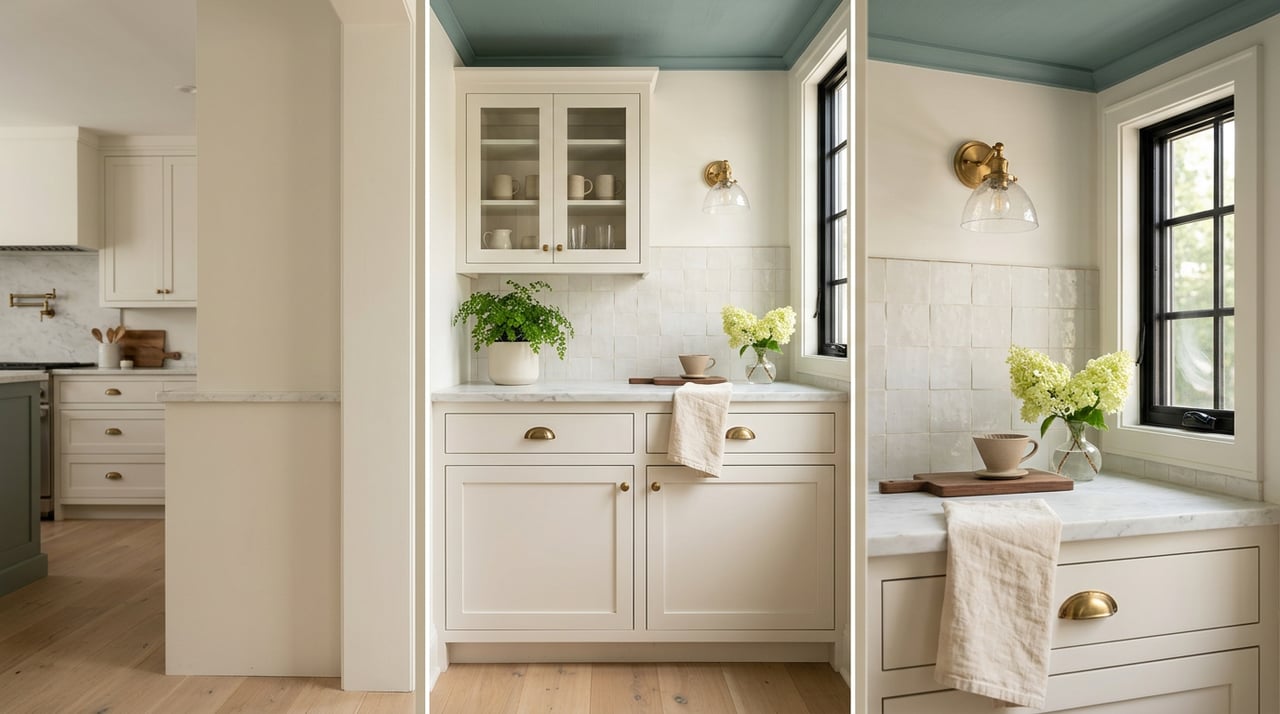
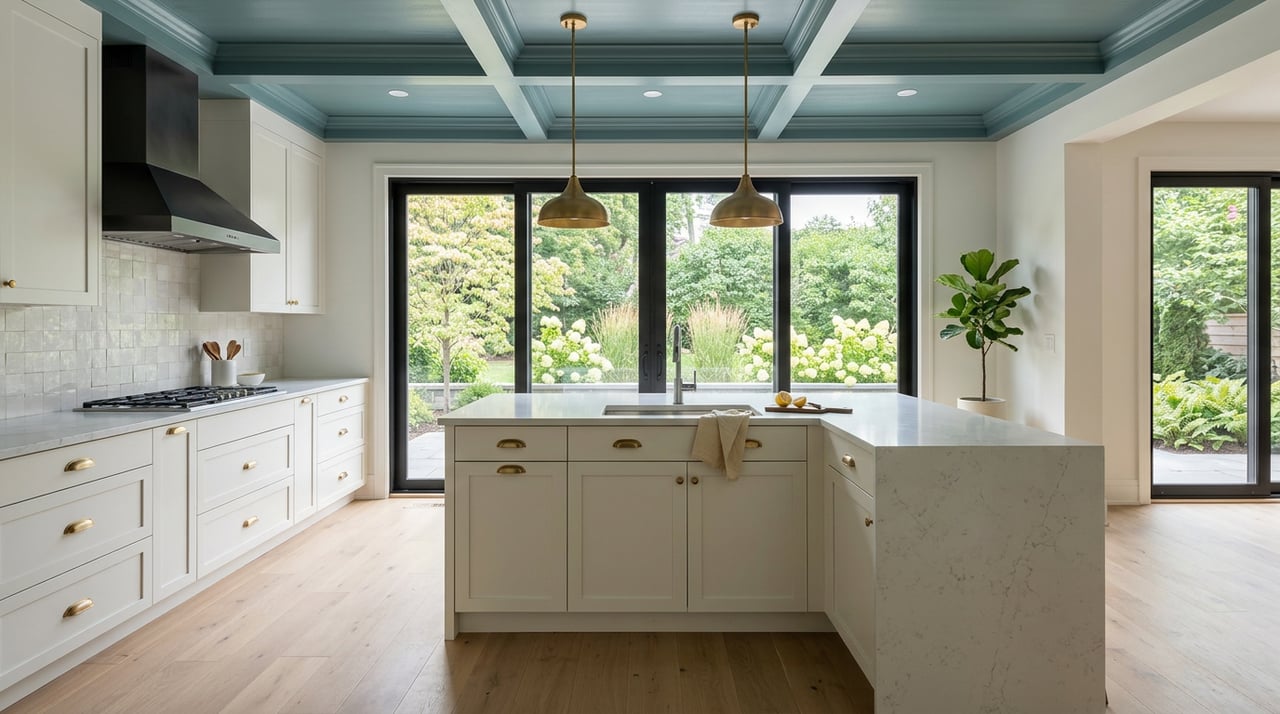
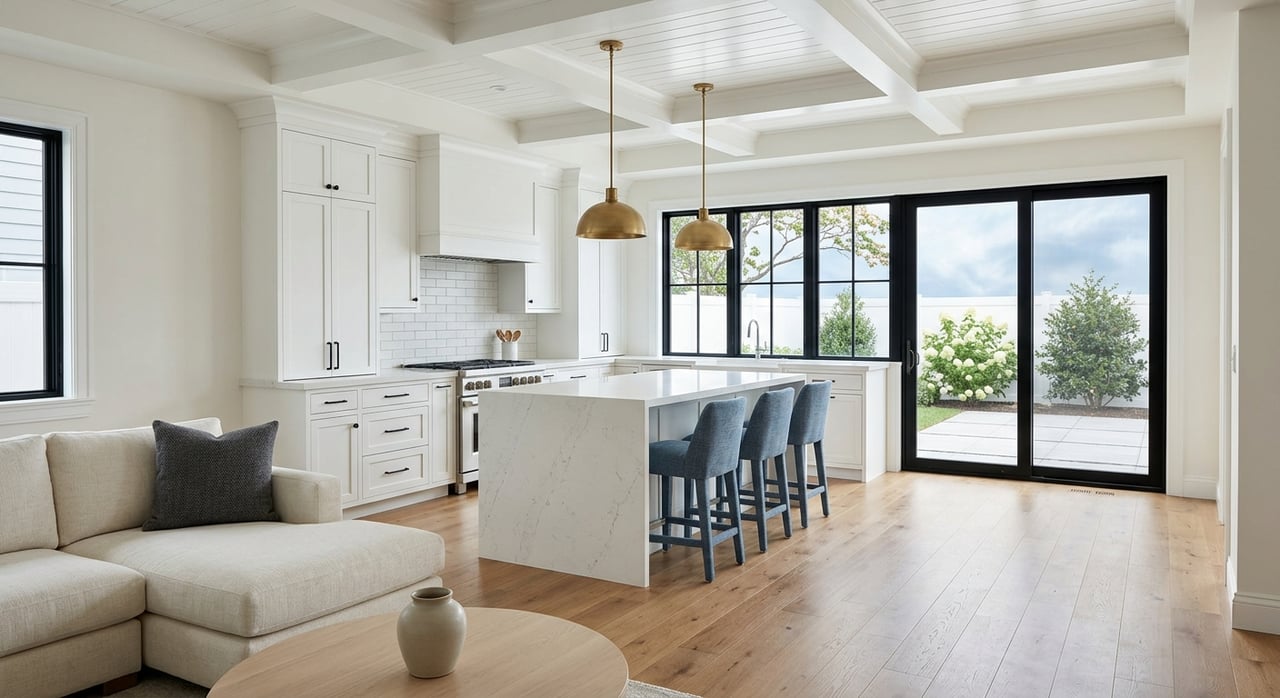
Price is not just about comps. Buyers also compare condition, style, and readiness. If your home looks more polished than competing listings, buyers may see the price as more justified.
That is one reason presentation matters so much in Arlington. According to the 2025 NAR staging report, 29% of agents said staging increased the dollar value offered by 1% to 10%, and 49% said staging reduced time on market. The most common prep steps were decluttering, cleaning, and improving curb appeal.
For sellers, that means pricing and presentation should work together. If you want to price near the top of your comp range, your home should look like it belongs there. Clean lines, strong photography, thoughtful staging, and a well-prepared space help buyers feel the value immediately.
Simple prep steps that support your list price
Before your home goes live, focus on the details buyers notice first:
- Declutter surfaces and storage areas
- Deep clean the entire home
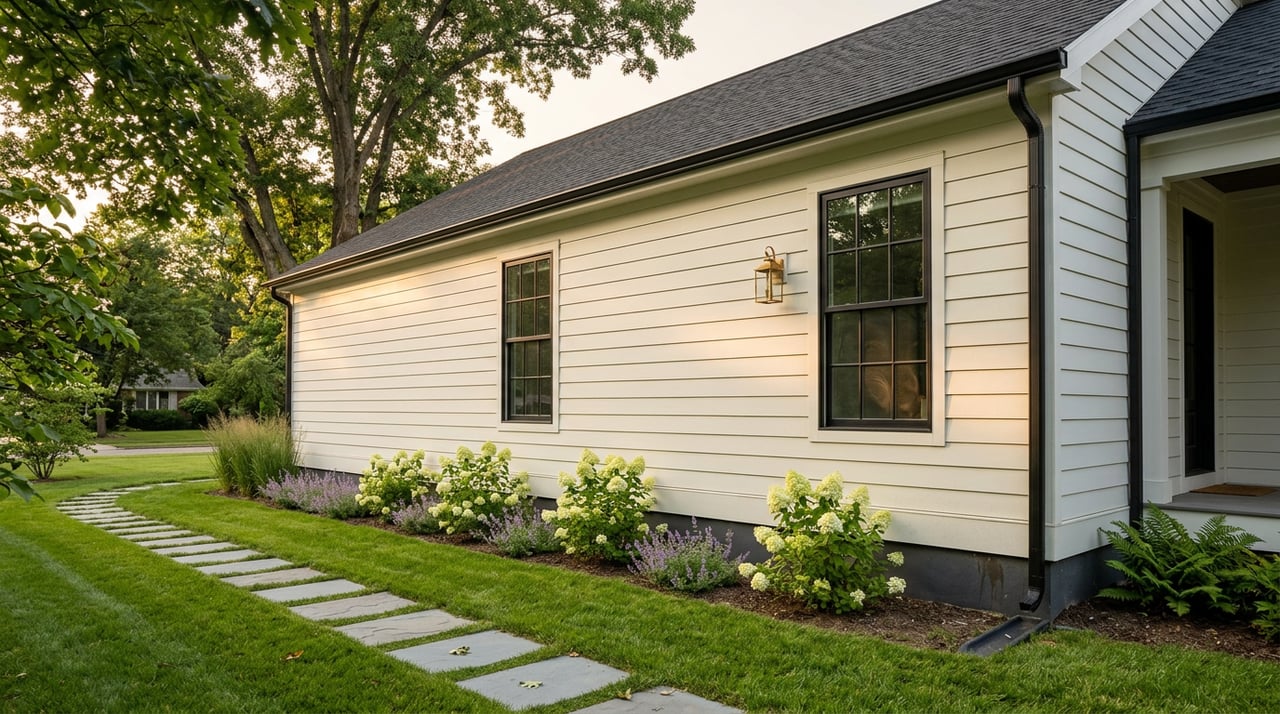
- Refresh curb appeal with basic landscape cleanup
- Address visible maintenance items
- Make rooms feel open, bright, and functional
A design-forward approach can make your home feel more competitive without requiring a full renovation. In a comparison-driven market, that can support both pricing confidence and stronger early traffic.
Know your negotiation risks before listing
In Virginia, sellers must provide a Residential Property Disclosure Statement. State law is largely buyer-beware, but the disclosure process still flags issues buyers may evaluate carefully, including condition, lot lines, adjacent parcels, historic district status, and flood zone considerations.
From a pricing standpoint, this matters because unresolved concerns can become negotiation points later. If your home has factors that may affect buyer perception or due diligence, it is better to understand them before launching the listing. A realistic list price should reflect not just your home’s strengths, but also any issues buyers may use to push back.
A smart pricing framework for Arlington sellers
If you want a practical way to think about pricing, start here:
1. Review the most relevant sold comps
Look at recent sales that match your property type, condition, and immediate location as closely as possible. Avoid relying on broad countywide or ZIP-level averages alone.
2. Study the current competition
Your price should make sense not only against past sales, but also against active listings buyers will see today. If nearby homes offer stronger updates or lower monthly ownership costs, that affects your position.
3. Adjust for your segment
Detached homes, townhomes, and condos are facing different inventory conditions. Your opening price should reflect how much leverage sellers currently have in your property category.
4. Match price to presentation
If your home is beautifully prepared, professionally marketed, and easy for buyers to understand, you may have stronger support for your target price. If it needs work or feels dated next to competing listings, pricing should account for that.
5. Be ready to respond early
The first showing activity and buyer feedback matter. If traffic is light or buyers consistently react to the price, a quick adjustment is often better than waiting too long.
The goal is not just to list
The real goal is not to put a number on your home and hope for the best. It is to choose a price that attracts attention, supports your negotiation position, and reflects how Arlington buyers are actually shopping right now.
That takes local data, a clear view of your competition, and a realistic understanding of how your home shows in the market. When pricing, presentation, and timing all work together, you give yourself the best chance to sell with confidence.
If you are thinking about selling and want a pricing strategy tailored to your home, neighborhood, and property type, connect with The Pearl Team. Their design-forward, data-driven approach can help you prepare, price, and launch with clarity.
FAQs
How should you price a home in Arlington, VA?
- The strongest approach is to use recent sold comps that closely match your home’s property type, condition, and neighborhood context, then compare that data against current active listings and buyer demand in your segment.
Are Arlington condos priced differently than detached homes?
- Yes. Local data show condo inventory has been rising faster than detached inventory, which can mean condo sellers need sharper opening prices and faster adjustments if buyer traffic is slow.
What do Arlington sale-to-list ratios suggest for sellers?
- Arlington market data show strong sale-to-list ratios, including 100% countywide on Realtor.com and 98.9% sale-to-original-list in Bright MLS data, which suggests well-priced homes can compete well but buyers are still negotiating.
Does staging help support a higher list price in Arlington?
- Presentation can support pricing because buyers compare condition along with value. The 2025 NAR staging report found that many agents saw staging improve offered value and reduce time on market.
When should you reduce the price on an Arlington listing?
- If your home gets limited showing activity, weak buyer response, or repeated feedback that the price feels high, an early adjustment is often more effective than letting the listing sit and lose momentum.