Trying to choose between historic downtown Leesburg and one of the newer communities nearby? You are not alone. Many buyers are weighing charm and walkability against space, amenities, and newer floor plans, and the right answer depends on how you want your day-to-day life to feel. This guide breaks down the practical differences so you can compare lifestyle, mobility, home style, and pricing with more confidence. Let’s dive in.
What makes downtown Leesburg different?
Historic downtown Leesburg offers a setting that feels rooted in the town’s long history. The Old & Historic District is a locally designated overlay district, and exterior changes are reviewed through the Board of Architectural Review with Certificates of Appropriateness required for exterior alterations.
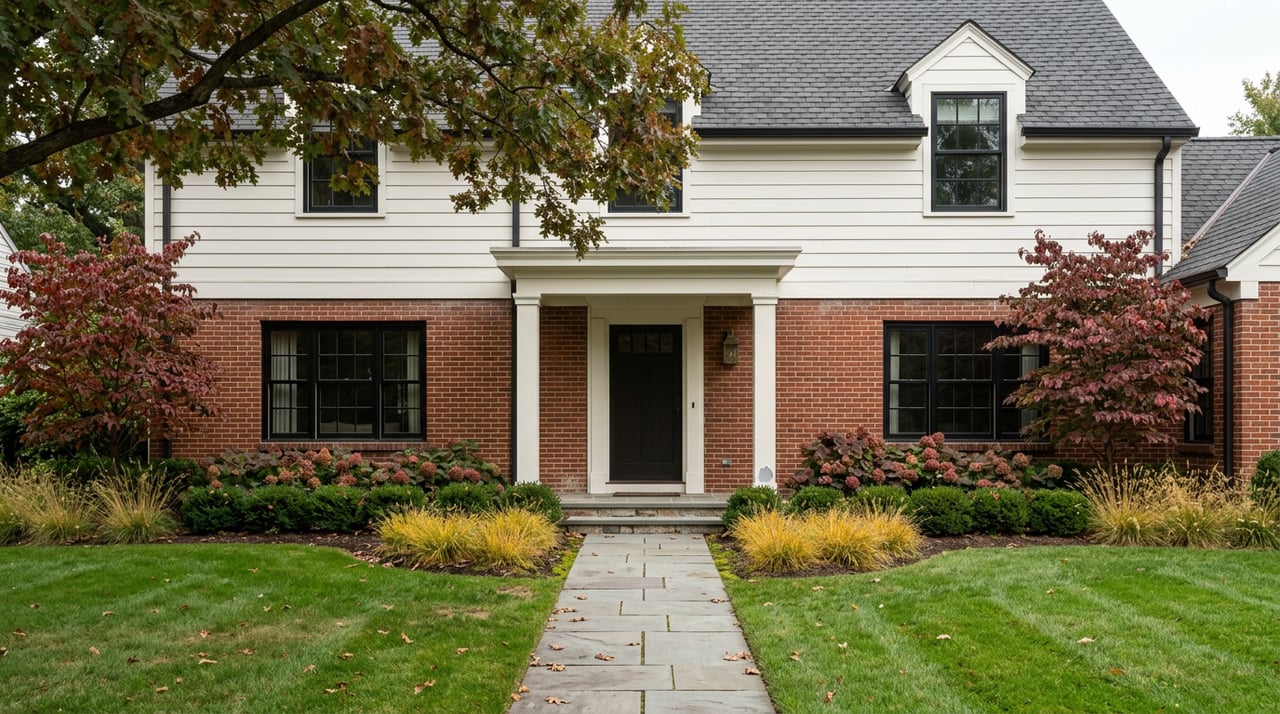
That matters because the district is not just “older homes near Main Street.” It is a 36-block rough grid of tree-lined streets with regional vernacular architecture that includes shops, compact town houses, early taverns, and some Victorian buildings. If you are drawn to homes with character and a more traditional street pattern, this area stands apart.
The town has also invested in the downtown experience. Public improvements have added widened sidewalks, crosswalks, traffic calming, lighting, and landscaping, all aimed at making the district easier to navigate on foot and more pleasant to use every day.
What defines newer Leesburg communities?
Newer communities around Leesburg follow a different model. Instead of historic-preservation rules, many of these areas are shaped by planning and design standards tied to growth corridors and master-planned neighborhoods.
The Town’s Gateway District and Crescent Design District show that approach clearly. The Crescent Design District is intended to support a more urban-style layout with streets, buildings closer to the road, and parking screened behind buildings, while the Eastern Gateway planning area includes sidewalk, trail, bicycle, and transit connections around Route 7 and Potomac Station Marketplace.
On the ground, many newer communities are HOA-managed and built around amenities. Potomac Station includes 1,401 homes and offers a pool, tennis and basketball courts, tot lots, a park, clubhouse rentals, and events. Lansdowne on the Potomac includes indoor and outdoor pools, a fitness center, tennis and pickleball courts, trails, an amphitheater, and event space. River Creek preserves 50% of its property as undeveloped community-owned open land and has more than 7 miles of trails, along with club amenities.
Lifestyle: walkable core or amenity living?
Your lifestyle goals may be the clearest way to decide.
If you want to walk to shops, restaurants, and civic destinations, downtown Leesburg has a strong advantage. The street pattern is compact, the town has improved pedestrian access, and parking is concentrated in garages and limited on-street spaces that support the downtown core. The Town Hall Garage has more than 300 spaces, the Loudoun County Garage has more than 400, and downtown also has about 70 on-street spaces.
If you want more internal neighborhood recreation, newer communities may fit better. These neighborhoods often trade downtown’s tighter layout for more open space, garages, planned amenities, and community programming. That can be a strong match if you prefer a home base with built-in recreation and a more suburban feel.
Home style and daily upkeep
Downtown Leesburg and newer communities often appeal to different priorities at home.
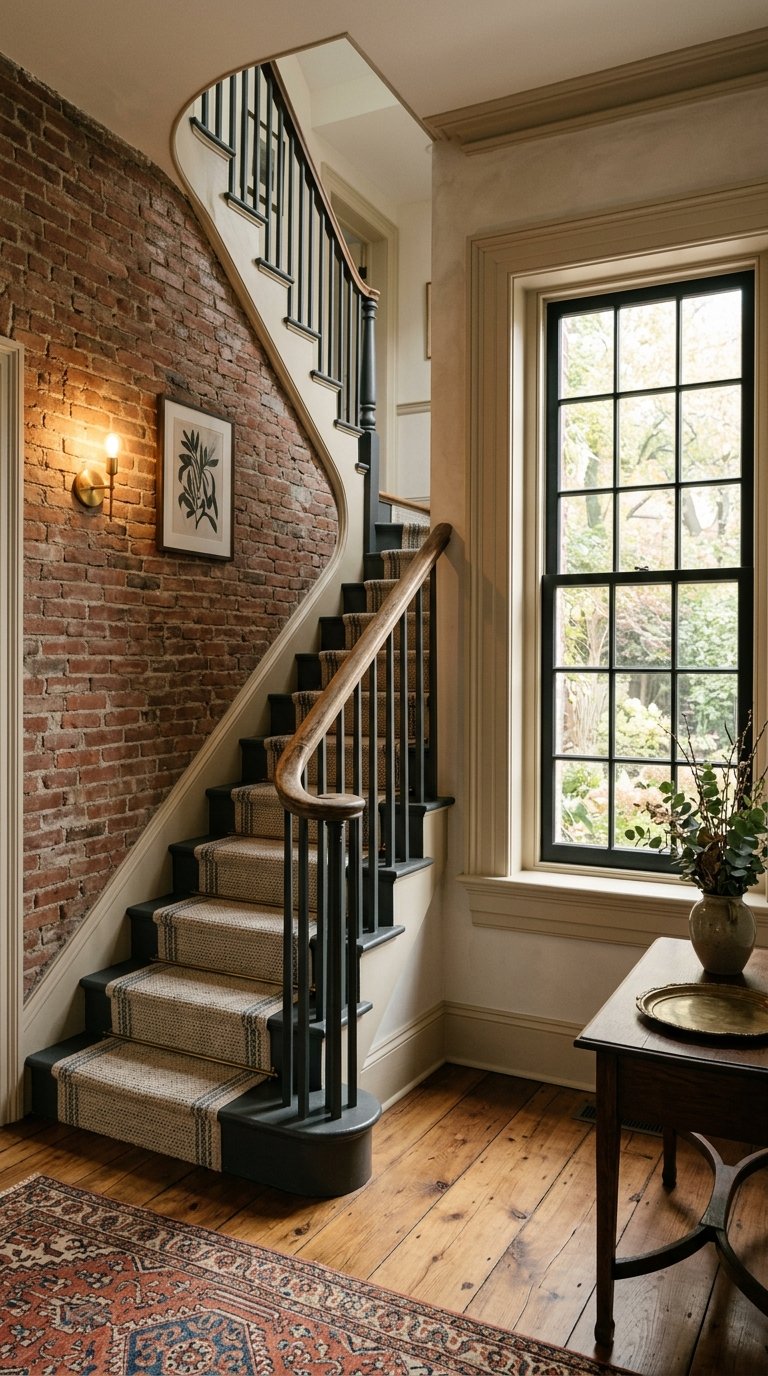
In the Old & Historic District, homes can offer architectural detail, mature streetscapes, and a sense of place that is hard to replicate. At the same time, exterior updates are more structured because of the district’s review requirements. The overlay does not change the underlying zoning, but it does affect how exterior changes are handled.
In newer communities, buyers often find more modern layouts, attached or detached garages, and neighborhood rules tied to HOA living. In practical terms, that may mean less emphasis on preserving historic exterior character and more emphasis on convenience, shared amenities, and newer design expectations.
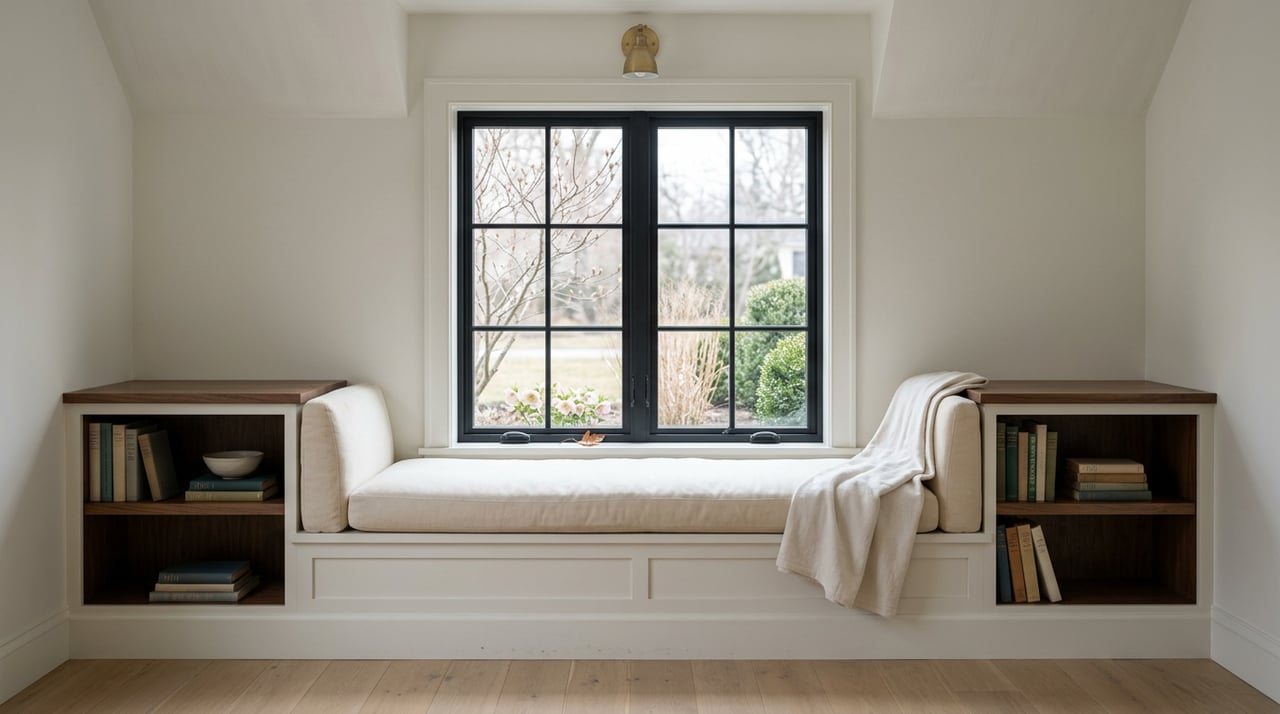
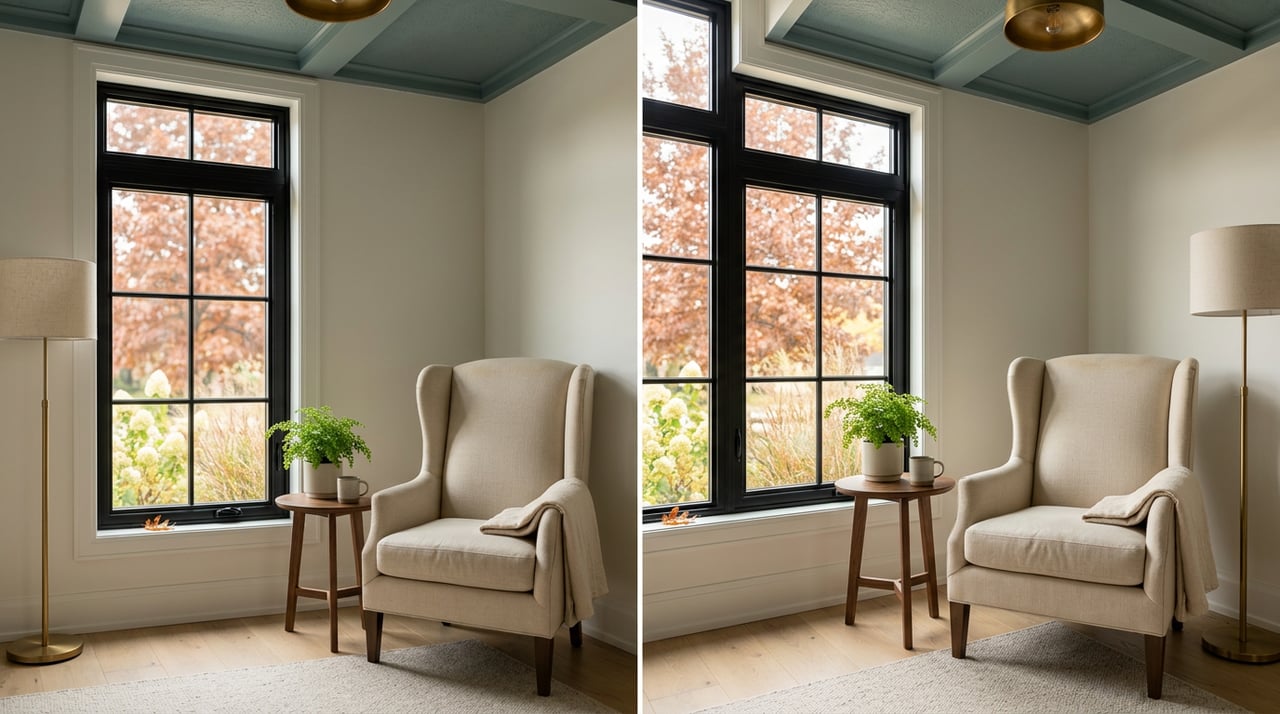
For buyers who think visually, this is often the tradeoff: downtown can offer charm and location value, while newer communities can offer easier flow, larger footprints, and more recreation built into the neighborhood.
Getting around Leesburg
Leesburg’s mobility pattern is shaped more by roads and bus connections than by direct rail access.
Downtown is accessible from VA Route 7, US Route 15, and the Dulles Greenway. Route 15 is the town’s primary southern gateway, and the Route 15 widening project added an urban curb-and-gutter section plus a multiuse trail, showing a push to balance car access with pedestrian infrastructure.
Transit is available, but it works differently than living on a Metro line. Loudoun County Transit serves Leesburg with local routes including Route 56 and Route 57, plus the free Safe-T-Ride shuttle across the Route 15 Bypass. County commuter buses also connect park-and-ride lots to Rosslyn, Crystal City, the Pentagon, and Washington, D.C., and bus service connects to Silver Line stations including Ashburn, Dulles Airport, and Loudoun Gateway.
For everyday life, that often means downtown supports more walking within the core, while newer communities generally involve more driving for errands, commuting, or reaching transit connections.
How pricing compares
Price is important, but so is what your money buys.
Across Leesburg, the market is competitive. Redfin reported a March 2026 median sale price of $694,500 and a median sale price of $313 per square foot, while Zillow’s February 2026 median sale price was $729,150.
Within the Old & Historic District, Redfin reported a median sale price of $845,000 and $639 per square foot. That is a notable jump in price per square foot compared with the citywide figure, and it points to the premium many buyers place on location, historic character, and the downtown setting.
The historic district also spans a broad range of home sizes and prices. Recent sales included a 624-square-foot home at $399,000, a 1,541-square-foot condo at $845,000, a 2,062-square-foot home at $850,000, and a 3,868-square-foot home at $1.2 million. So while the district can command premium pricing, it is not a one-size-fits-all market segment.
Newer planned communities can also reach high price points, but the value equation looks different. In Potomac Station, current examples range from about $550,000 for a townhome to about $889,000 for a newer four-level townhouse and about $1.1 million for a larger build plan. A snapshot of that neighborhood showed pricing around $294 per square foot, which suggests that buyers may get more square footage and garage space for each dollar even when total prices overlap with downtown options.
Which option fits you best?
There is no universal winner between historic downtown Leesburg and newer communities. The better fit depends on what you want your home and neighborhood to do for you.
Downtown may be the right choice if you value:
- Walkability to shops, restaurants, and town destinations
- Older architecture and established streetscapes
- A compact street grid and central location
- The character that comes with a historic setting
A newer community may be the right choice if you value:
- More square footage for the price
- Garages and more modern floor plans
- HOA-managed amenities and recreation
- A neighborhood layout with more internal open space
A smart way to compare homes
When you tour both types of areas, try to compare more than list price.
Look at how you would spend a normal week. Think about whether you want to walk out your front door to downtown activity, or whether you would rather have trails, courts, pools, and a garage-centered routine. Those are not small details. They shape how a home feels long after closing day.
It also helps to compare homes through both a design lens and a numbers lens. An older downtown property may carry stronger location value and a very different price-per-square-foot story, while a newer home may offer easier daily function, more storage, and different resale appeal based on layout and amenities.
If you want help evaluating that tradeoff with a practical, design-aware approach, The Pearl Team can help you compare options and move forward with a strategy that fits your goals.
FAQs
What is the Old & Historic District in Leesburg?
- The Old & Historic District is a locally designated overlay district in Leesburg where exterior alterations require Certificates of Appropriateness, while underlying zoning rules still come from the base zoning district.
Is downtown Leesburg more walkable than newer communities?
- Downtown Leesburg generally offers easier walking access to shops, restaurants, parking, and civic uses because of its compact street pattern and pedestrian-focused public improvements.
Do newer Leesburg communities usually have HOAs and amenities?
- Many newer communities around Leesburg are HOA-managed and include amenities such as pools, courts, trails, club spaces, parks, and community events.
Are homes in historic downtown Leesburg always more expensive?
- Not always, but the Old & Historic District has shown a higher median sale price and much higher price per square foot than the citywide market, while still offering a wide range of home sizes and prices.
Is Leesburg on the Metro?
- Leesburg is not directly on a Metro line, but Loudoun County Transit provides local bus service, commuter bus options, and bus connections to Silver Line stations such as Ashburn, Dulles Airport, and Loudoun Gateway.